




















RG6 Coaxial Cable 15 Foot – Marine Ready & Trouble-Free

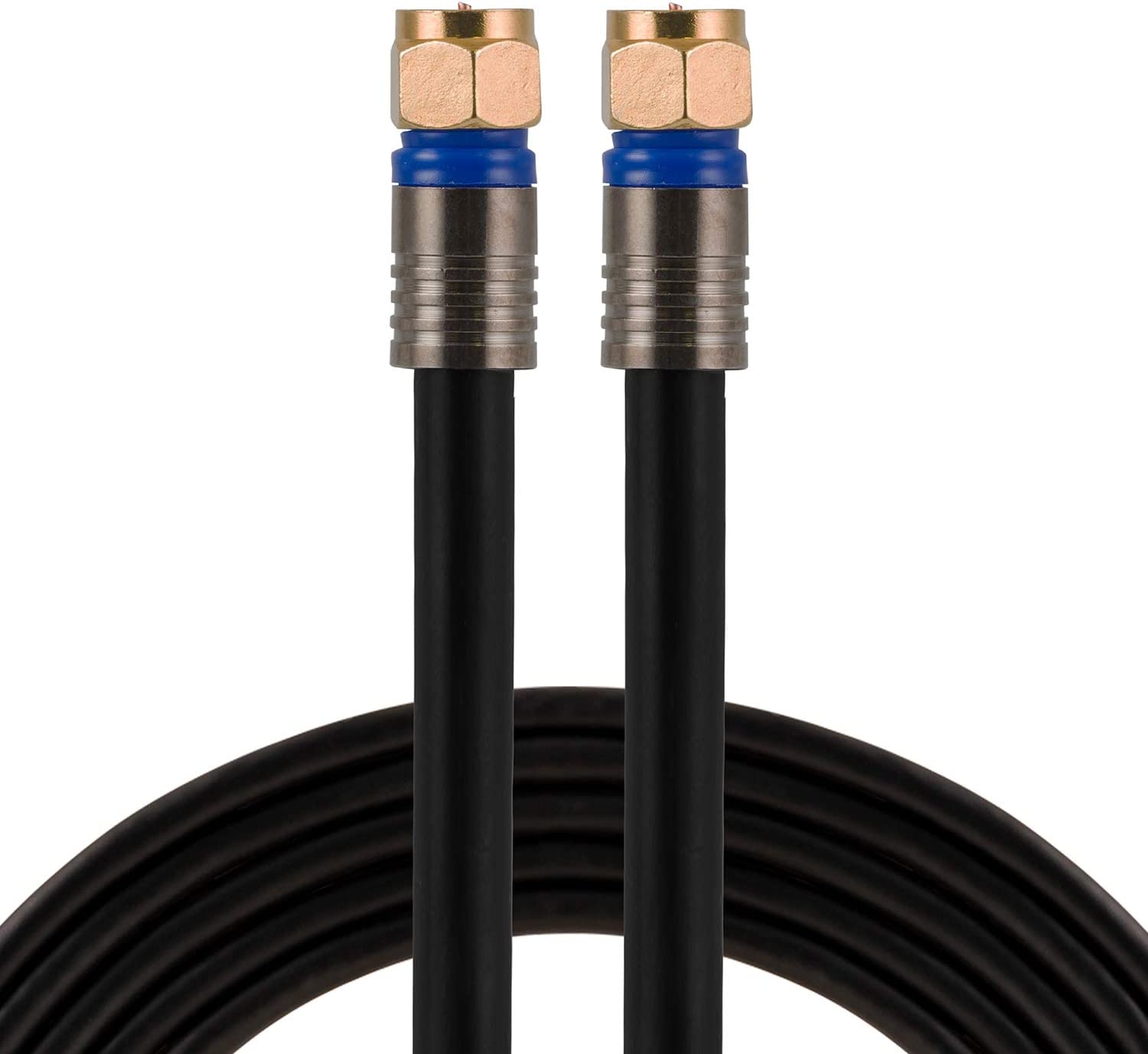
RG6 Coaxial Cable 15′ With F-type Connectors for Boats & Marine Engines
Introduction
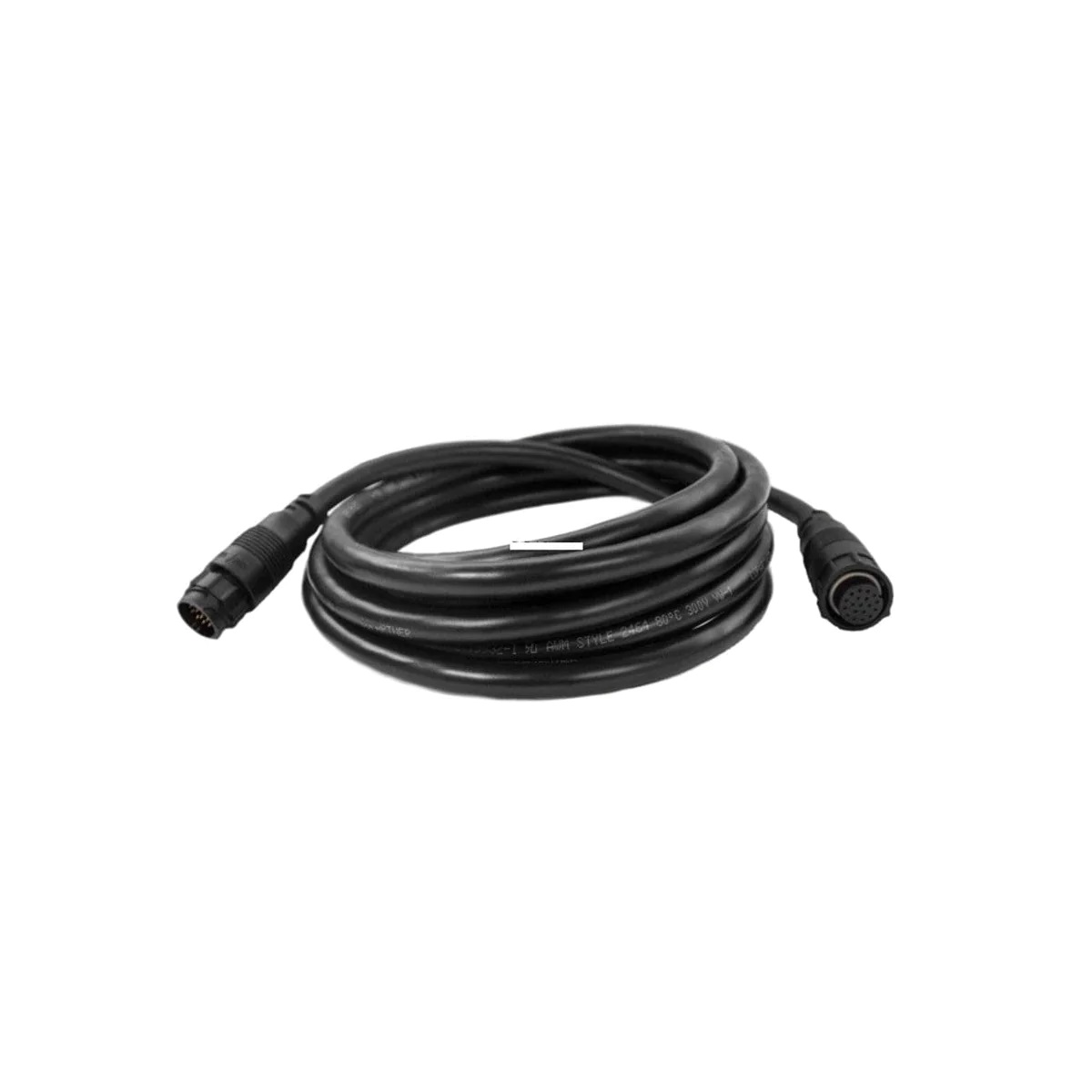
The RG6 coaxial cable 15 foot with F-type connectors for boats is an essential marine-grade electrical component for signal transmission onboard. Whether you’re installing satellite television, connecting GPS systems, or integrating advanced marine electronics, the right cable makes a world of difference. RG6 coaxial cables have long been favored for their ability to deliver clear signal with minimal interference — and now, specially designed for marine use, this 15-foot variant offers reliability, resistance, and ruggedness like never before.
When you’re out on the water, stable signal performance is not a luxury — it’s a necessity. Salty air, high humidity, and vibration can damage inferior cables quickly. That’s why mariners choose RG6 coaxial cable with F-type connectors: to ensure lasting performance, secure fittings, and top-tier electrical conductivity in harsh conditions.
Overview / What Is RG6 Coaxial Cable 15 Foot With F-Type Connectors?
Simply put, an RG6 coaxial cable 15 foot with F-type connectors is a high-frequency, shielded electrical cable used for transmitting radio frequencies. The “RG6” refers to the cable type, known for its thicker core and higher bandwidth capabilities than earlier RG59 varieties. The “F-type” connectors are threaded fittings commonly used for secure connections in television, satellite, and broadband systems — especially in marine communication setups.
This 15-foot length is ideal for compact to medium-sized vessels where component distance matters. The internal shielding of the RG6 makes it resilient against electromagnetic interference (EMI), which is common on boats due to engine noise, navigation electronics, and VHF radios.
Why RG6 Is Ideal for Marine Use
Marine environments are unforgiving — UV rays, water exposure, salt corrosion, and vibration can compromise typical cables quickly. Here’s why the RG6 coaxial cable 15 foot with F-type connectors is your best choice:
- UV-Resistant Jacket: Protects the cable from degrading under direct sun exposure.
- Waterproof Sealing: Prevents moisture penetration that can corrode inner wires.
- Double Shielding: Reduces signal loss and guards against EMI/RFI interference.
- Threaded F-Type Connectors: Secure, vibration-resistant connections that stay tight during travel.
Whether you’re upgrading your marine TV system or installing radar and sonar feeds, this cable delivers with confidence.
Common Applications on Boats & Yachts
The RG6 coaxial cable 15 foot with F-type connectors for boats is extremely versatile and serves several critical purposes aboard:
- Marine TV Reception: Connects satellite dishes or HD antennas to onboard TVs.
- GPS and Fishfinder Systems: Links data from sensors to display units.
- Surveillance Camera Installations: Transfers video signal from marine-grade security systems.
- Wi-Fi or Cellular Boosters: Ensures stronger reception at sea by connecting antennas to routers.
Boats that carry families, charters, or liveaboard electronics setups especially benefit from a high-grade cable setup like this.
How to Install RG6 Coaxial Cable 15 Foot on Boats
Proper installation is critical for ensuring your RG6 coaxial cable 15 foot with F-type connectors performs optimally:
- Step 1: Plan the routing path — avoid sharp bends and wet bilge zones.
- Step 2: Use marine-grade cable clamps to secure the run every 18-24 inches.
- Step 3: Connect the F-type connectors tightly to avoid signal leaks. Use wrench-tight if possible but avoid over-tightening.
- Step 4: Seal all deck or hull penetrations with marine silicone to protect against water intrusion.
Following these steps not only extends the life of the cable but also preserves the signal strength and integrity onboard.
Maintenance Tips
Maintaining your RG6 coaxial cable 15 foot with F-type connectors for boats ensures longevity and peak performance. Here are some expert-backed maintenance tips:
- Visual Inspections: Check for cracks in the jacket or signs of UV damage regularly.
- Connector Cleaning: Remove oxidation or salt build-up from F-type connectors using a cotton swab and isopropyl alcohol.
- Vibration Check: Ensure fittings haven’t loosened due to engine or wave motion.
- Test Continuity: Use a coaxial tester at least once per season to confirm signal flow.
With these tips, your cable can last for years and continue delivering seamless signal performance.
Expert Advice and Pro Recommendations
Professionals in the marine electronics world consistently recommend using high-grade coaxial cables like the RG6 coaxial cable 15 foot with F-type connectors due to their long-term reliability and shielding. Investing in quality wiring prevents frustrating signal interruptions and costly future repairs.
Pair it with gold-plated F-type barrels for maximum conductivity and weatherproof boots for harsh exposure areas.
Buy now: RG6 Coaxial Cable 15′ With F-type Connectors and use code WELCOME5 for an instant 5% off your order.
Troubleshooting Common RG6 Cable Issues
Even the best marine cables can develop issues if not properly managed. Here are common problems and fixes:
- Weak Signal: Usually caused by loose or corroded connectors. Clean and re-tighten.
- No Signal: Check for cable damage, cuts, or crushed sections. Replace if found.
- Intermittent Reception: May be due to EMI from nearby power sources. Reroute cable away from AC lines or install a filter.
If issues persist, use a coax cable tester to identify where the signal fails.
Marine Electrical Safety and Cable Routing Best Practices
Safety always comes first when routing electrical components on boats. Ensure your RG6 coaxial cable 15 foot with F-type connectors does not compromise your vessel’s systems:
- Never bundle coaxial with AC power wiring.
- Label all cable ends for future servicing.
- Use dielectric grease on exposed connectors to prevent corrosion.
For in-depth electrical design, consult the ABYC standards or your marine electrician. Stay compliant and safe.
Detailed FAQ Section
What makes the RG6 coaxial cable 15 foot with F-type connectors marine-grade?
Marine-grade RG6 cables differ from standard ones by offering increased resistance to moisture, UV rays, and corrosion. The jacket is typically made of PE or PVC with UV inhibitors, and the F-type connectors are either nickel- or gold-plated to resist salt corrosion. Inside, it retains a double shield (braid and foil) that minimizes signal interference even in electronically noisy environments such as engine rooms. These marine features ensure the cable won’t degrade prematurely and will deliver consistent performance during high seas or humidity spikes.
Can I use this cable for satellite or antenna connection?
Absolutely. The RG6 coaxial cable 15 foot with F-type connectors for boats is specifically designed for use in satellite TV and HDTV antenna systems. The 75-ohm impedance makes it perfect for these kinds of high-frequency transmissions. It offers high shielding effectiveness, preventing pixelation or signal dropout — which is crucial when watching TV or using radar data in remote marine locations. It’s ideal for DirecTV, Dish Network, and similar services on your boat.
How do I protect the connectors from saltwater damage?
Saltwater corrosion is a common issue on marine vessels. To prevent this, use rubber or silicone boots over the F-type connectors after installation. Additionally, applying a thin layer of dielectric grease to the connector threading can keep moisture out. It’s also advisable to position connectors in high and dry locations away from bilge or exposed bulkheads. For deck passes, use waterproof feedthrough glands. These practices will ensure your cable’s connectors stay clean and functional for seasons to come.
Is 15 feet enough cable length for most boats?
For many recreational boats, yachts, and small to mid-size vessels, a 15-foot length is ideal. It reduces signal loss by minimizing unnecessary cable length and is sufficient to connect devices from a masthead antenna to below-deck electronics or from a bulkhead antenna to the navigation console. However, if your installation requires more distance, consider RG6 extensions with weatherproof couplers. Just ensure that total length stays within acceptable range to avoid significant dB loss — typically under 100 feet total for RG6.
Can I bury or run this cable through conduits?
Yes, the RG6 coaxial cable 15 foot with F-type connectors for boats is flexible enough for use in conduits. For best protection, use a marine-grade conduit rated for wet locations. Avoid tight bends and high-friction areas. When burying the cable (in the case of land-based docks or shore power setups), confirm it’s direct burial rated. If not, running it inside sealed conduit is essential. Above deck, secure it with UV-stable clamps and avoid zip ties that can pinch and damage the jacket over time.
Conclusion
The RG6 coaxial cable 15 foot with F-type connectors for boats is a small investment with big returns. It enhances your vessel’s connectivity, ensures optimal performance, and survives the harsh marine environment effortlessly. Whether you’re streaming, navigating, or monitoring — this cable keeps everything running smoothly. Don’t compromise signal quality at sea — equip your boat with the right wiring, built to last.
Explore more marine-grade electronics and accessories at Yamaha Outboards and upgrade your boating experience now.
Special Offer
WELCOME5 – Get 5% off storewide at allboatsupplies.com
🚀 Instant Assistance: Need help selecting the right product? Drop your contact in the chatbox at the bottom right corner, and our expert team will reply within 30 minutes with the best product suggestion for your boat — including a ready-to-use checkout link. We’re fast, knowledgeable, and always here for your boating needs!
No more guesswork — just message us and get a personalized checkout link fast!
Let us handle the hassle — expert support, quick replies, and smooth checkout. Your boat deserves the best.
🔥 Up to 5% OFF – Limited Time!
Use code WELCOME5 on RG6 Coaxial Cable 15′ With F-type Connectors